Alicia’s story began in silence, the kind that settles in when no one is watching. For months, she lived completely alone, exposed to hunger, thirst, and unforgiving weather. There was no steady food source, no safe place to rest, and no warmth during long, cold nights. Each day demanded more strength than her body could give. Slowly, almost imperceptibly, her energy drained away. Hunger became constant, the cold seeped deep into her bones, and survival turned into a daily struggle that pushed her closer to collapse.
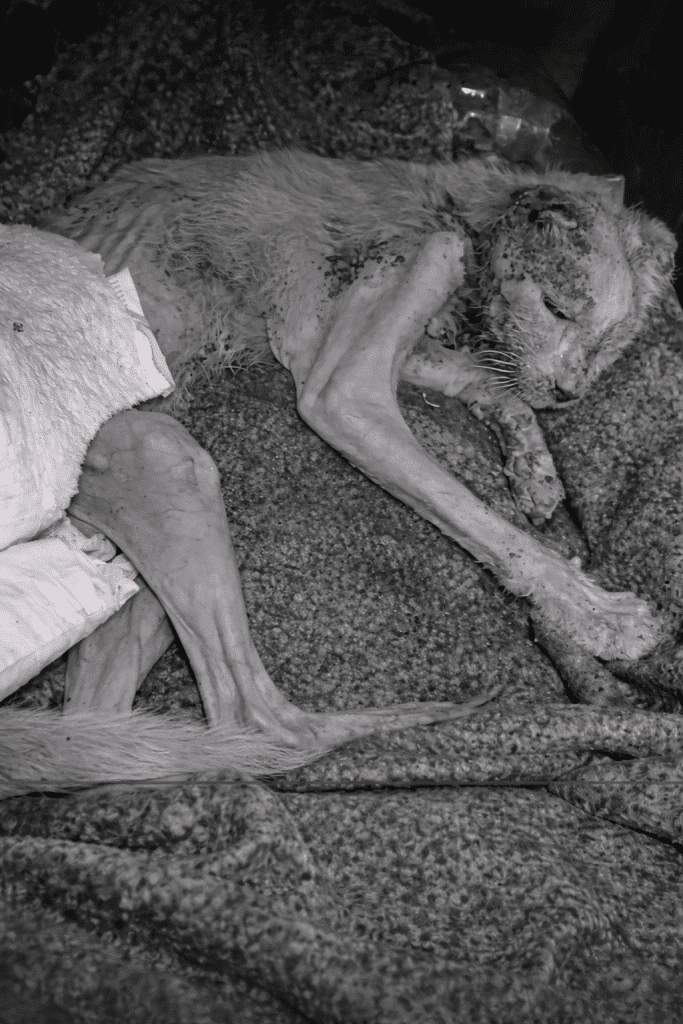
By the time she was finally discovered, Alicia was barely alive. Her body was painfully thin, reduced to skin stretched tightly over bone. She was so weak she could hardly respond, her movements slow and unfocused. Her blood sugar had dropped to dangerously low levels, her body temperature was far below normal, and violent tremors ran through her fragile frame. At times, the stress on her system caused seizures, signaling just how close she was to losing the fight. It was immediately clear that without urgent help, she would not survive much longer.
Alicia was rushed to a veterinary hospital, where every second mattered. The medical team acted quickly, placing her in an oxygen chamber to support her breathing and carefully warming her body to restore a stable temperature. She received a blood transfusion to help sustain her failing organs while tests were performed to identify the cause of her rapid decline. The diagnosis confirmed their concerns: Alicia was suffering from Anaplasmosis, a serious bacterial infection that can overwhelm the body when left untreated. Combined with prolonged starvation and exposure, it left her condition extremely critical.
Video Dumped and Hungry all his life, he cried when he was hugged and loved
Despite aggressive treatment, her chances remained uncertain. Her body had endured too much for too long, and even the smallest setback could have been fatal. The veterinary team monitored her constantly, adjusting medications and fluids with precision, knowing that pushing too hard could do as much harm as too little. Hope was fragile, hanging on by the thinnest thread.
Yet Alicia showed a quiet determination that surprised everyone.
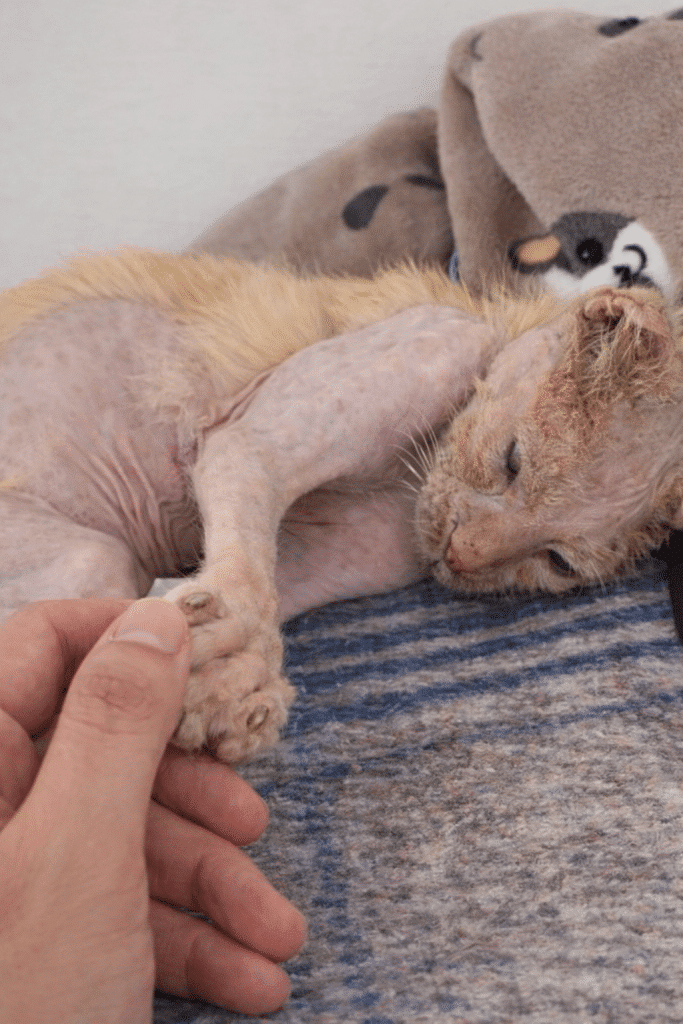
In the earliest stages of recovery, her progress was subtle. Her breathing became steadier. The tremors eased. The seizures became less frequent. She remained exhausted, but she was aware, her eyes following movement in the room. It was clear that she was still fighting, even when her body seemed close to giving up.
Then came a moment that marked a turning point. Alicia showed interest in food.
At first, it was barely noticeable—a slight reaction to the scent of nourishment. The staff offered her tiny portions, carefully spaced and gently encouraged. She managed a few small bites, then a few more. Eating again was dangerous if rushed, but it was also essential. With each careful feeding, her body began to respond, slowly rebuilding what had been lost.

Not long after, Alicia did something deeply moving. She let out a soft meow.
It was weak and quiet, but it was the first sound she had made since being rescued. That simple voice carried meaning far beyond volume. It signaled awareness, connection, and the return of something vital that had been missing for a long time. For those caring for her, it was a sign that Alicia was still present, still reaching back toward life.
As the days passed, her recovery continued step by step. Strength slowly returned to her legs, which had once been too weak to support her weight. With assistance, she tried to stand. At first, her body shook, and she could only manage a moment before collapsing back down. But she kept trying. Each attempt lasted a little longer. Eventually, she took her first unsteady steps on her own.
That moment changed everything.
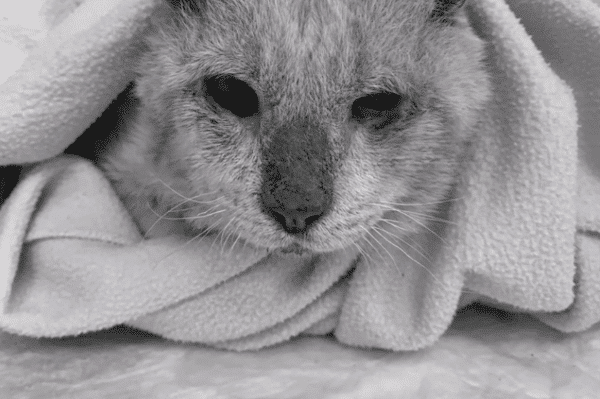
From there, progress became more visible. With continued treatment for the infection and consistent nutrition, Alicia’s energy increased. Her appetite improved, and her body began to retain warmth on its own. She started grooming herself again, a small but powerful sign that she was feeling better and regaining normal instincts.
Week by week, her transformation became undeniable. The skeletal frame that once defined her softened as healthy weight returned. Her fur grew back thicker and smoother, replacing the dull, brittle coat she once had. Her eyes brightened, reflecting curiosity instead of exhaustion. Where she once lay motionless, she now moved with growing confidence.
Just as important as her physical recovery was the emotional change. Alicia became more responsive, more engaged with the world around her. She no longer withdrew from human presence. Instead, she accepted gentle touch and attention, slowly rebuilding trust through consistent care and patience. The fear shaped by months of isolation began to fade.
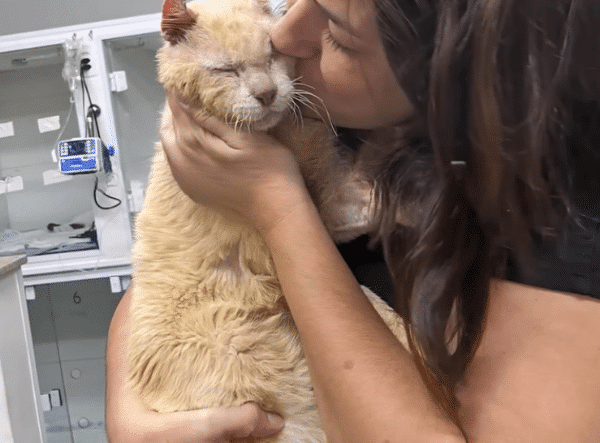
From a cat standing at the edge of survival, Alicia emerged healthy, beautiful, and full of life. The tremors, weakness, and silence that once defined her days were gone, replaced by strength and awareness. Her recovery was not quick, and it was never guaranteed, but it proved what dedication and compassion can accomplish.
Alicia’s journey is a reminder that even in the most critical condition, life can return when care is given with patience and persistence. Her story is not just about surviving illness and neglect, but about the extraordinary impact of timely intervention and unwavering commitment. Today, Alicia is no longer defined by hunger, cold, or disease. She is defined by resilience, by the quiet strength that carried her through the darkest moments and allowed her to begin again.