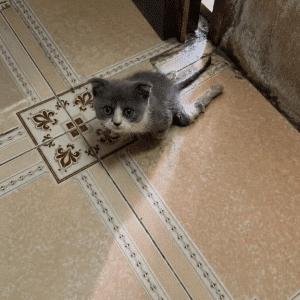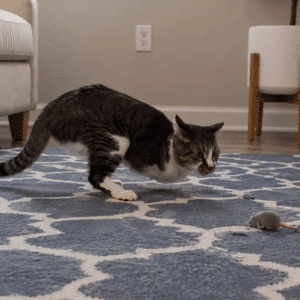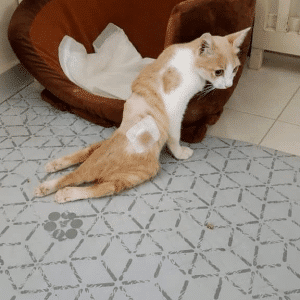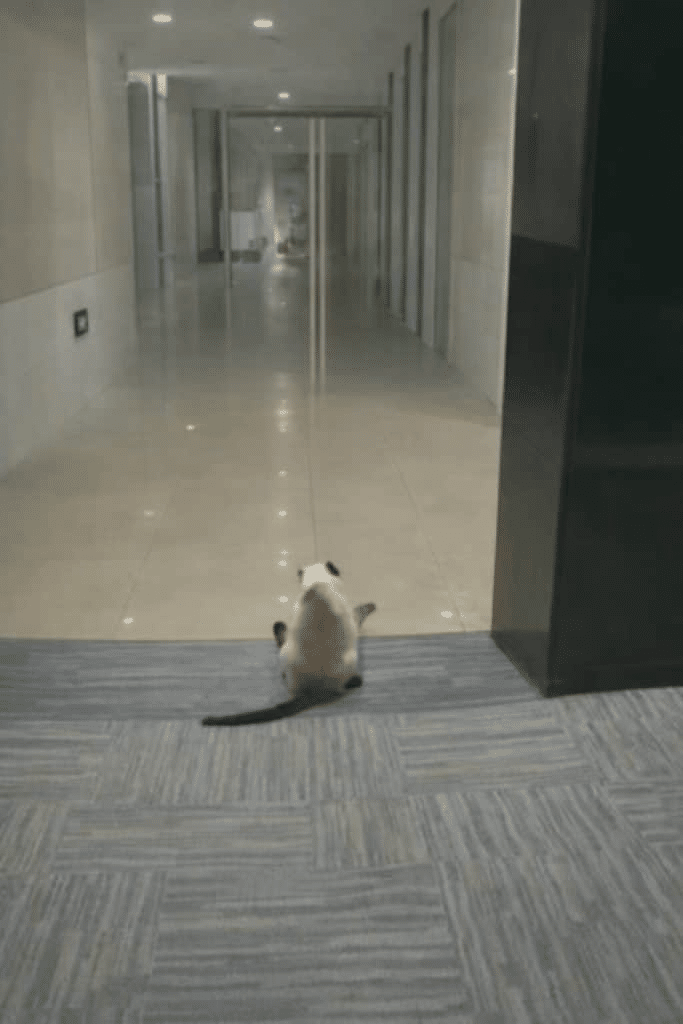
When people see an animal tied or restrained, the first reaction is often sympathy.
It looks limiting.
It can feel unfair.
And from the outside, it may seem like something is wrong.
But sometimes, there is more to the story than what we see in a single moment.
Looking Beyond The Surface
Not every restrained animal is being treated carelessly.
In some situations, restraint is used to prevent harm.
To protect the animal.
To protect people nearby.
Or to protect other animals in the same space.
That difference matters.
Because understanding context can change the way we see what is happening.
VIDEO: Why Some Animals May Be Restrained For Safety And Care
Some animals develop behaviors that can become difficult to manage.
A cat may chase smaller animals nearby.
Another may react aggressively when frightened.
Some animals may run into dangerous areas if left completely free.
In these cases, temporary restraint may be used as a way to keep the situation under control.
Not as punishment.
But as protection.
When Instinct Becomes A Risk
The same idea can apply to other animals too.
Goats, sheep, and similar animals may look gentle from a distance.
But they can be surprisingly strong.
If startled, excited, or protective, they may charge, push, or knock into people and other animals.
In those moments, some form of careful restraint may help prevent accidents.
The goal should never be to cause discomfort.
The goal should be safety.
Care Matters Most
Of course, restraint is not always the best solution.
And it should never be used carelessly.
An animal should still have comfort.
Room to rest.
Access to water.
Protection from weather.
And freedom from pain or fear.
The important difference is how it is done.
With awareness.
With responsibility.
With kindness.
And only when truly necessary.
Understanding Before Judging
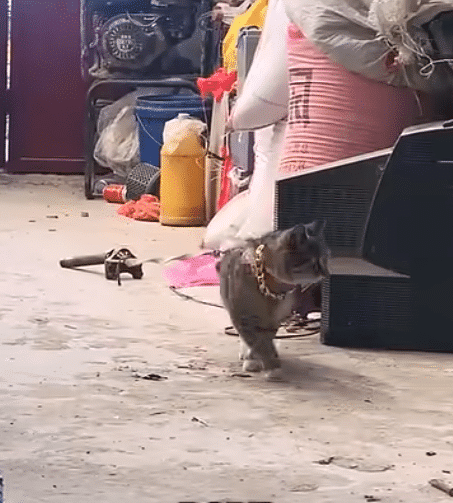
It is easy to react emotionally when we see an animal tied or limited.
That response comes from compassion.
And compassion is important.
But so is understanding.
Sometimes what looks like restriction may actually be an attempt to prevent a worse situation.
Sometimes the full story is not visible in one short moment.
That is why it helps to pause.
Look closer.
Ask questions.
And consider the context.
A Gentle Reminder About Perspective
Animals deserve kindness, safety, and thoughtful care.
They also sometimes need boundaries to keep them safe in complicated environments.
The two ideas can exist together.
Compassion does not mean assuming the worst immediately.
And understanding does not mean ignoring poor treatment.
It means looking carefully.
Thinking fairly.
And remembering that every situation has a larger story behind it.
Because sometimes, what we see on the surface is only one part of the truth.